
Industry Insights
UCC Leads vs. Bank Statement Leads: Which Fits Your MCA Shop?
The Short Answer
UCC leads are businesses found in public filings that show they already have an advance or loan; nobody asked to hear from you. Bank statement leads are merchants who applied for funding and sent their recent bank statements with the application. One is a list for outbound prospecting, the other is an inbound applicant with documents, and they are priced, worked and regulated very differently.
What a UCC Lead Is
When a funder or lender advances money against a business's receivables or assets, it usually files a UCC-1 financing statement with the state. Those filings are public. Data companies collect them and sell the business names, owners and contact details as lists, often filtered by filing date, state or the lender named on the filing.
The appeal is clear: the business has taken financing before, so it may want more, or may be ready to refinance or consolidate. But a UCC record says nothing about whether the merchant needs money today, and the merchant has not agreed to be contacted by you.
What a Bank Statement Lead Is
A bank statement lead is a merchant who filled out a funding application, answered questions about revenue, time in business, credit and amount needed, and uploaded their last three or four months of business bank statements. With our MCA leads with bank statements, the signed application arrives as a PDF alongside the statements, so underwriting can review cash flow, existing positions and daily balances before the first call.
How They Compare
- Intent. UCC: unknown, the merchant didn't ask. Bank statement lead: the merchant applied and sent documents.
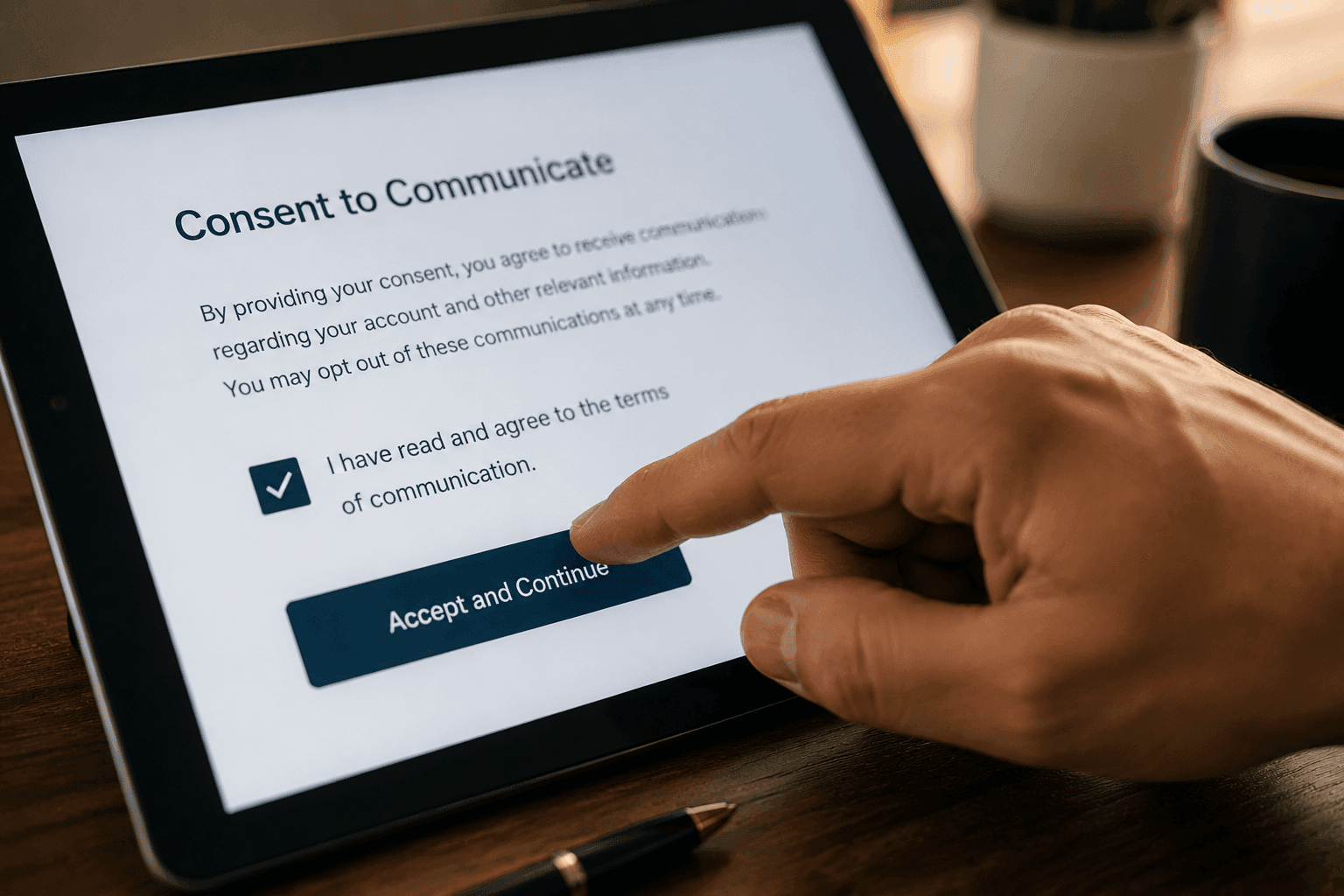
- Consent. UCC: none from the merchant; calling and texting rules for unsolicited contact apply, especially for automated dialing and texts. Bank statement lead: the merchant agreed to be contacted when they submitted, with a consent record you can keep.
- Freshness. UCC: depends on the filing date and when the list was compiled. Bank statement lead: real time, delivered as the merchant submits.
- Price. UCC: cents to a few dollars per record. Bank statement lead: one of the most expensive lead types, because the merchant has done the most work.
- Work required. UCC: high-volume outbound dialing, mail and email, with many records per conversation. Bank statement lead: a call to confirm terms with an applicant whose file is half built.
- Exclusivity. UCC lists are usually sold to many buyers. Bank statement leads can be bought exclusive.
When UCC Leads Fit
A team built for cold outbound, with dialers, a compliance process for unsolicited contact and patient follow-up, can work UCC lists profitably, especially for renewal and consolidation offers aimed at merchants who already carry positions. Check your calling and texting practices with counsel before working any list of people who haven't opted in.
When Bank Statement Leads Fit
Funders and ISOs who want the shortest path from lead to offer: closers who should spend their time on merchants ready to fund, not on finding them. Because the statements arrive with the lead, you can decline a merchant who doesn't fit before anyone dials, and price the offer on the first call.
A Note on What We Sell
We don't sell UCC lists. Our real-time MCA leads come mainly from funding application funnels we operate, with consent recorded on every lead, and are available with or without bank statements attached. See MCA leads with bank statements for the fields and pricing.